Our Core Technology:

How Seismocardiography (SCG) Enables CAD Risk Detection

Seismocardiography (SCG) is at the heart of HeartForce’s CardioClin™ device, literally and technologically. It is a non-invasive technique that measures the micro-vibrations produced by the heart’s mechanical activity as they propagate through the chest wall. 

The signal incorporates the vibration that is produced by:

  • contraction and relaxation of the heart muscle
  • opening and closing of heart valves
  • acceleration and deceleration of blood flow within the heart chambers. 
Seismocardiography (ECG) core technology CardioClin CAD risk screening - HeartForce

However, myocardium movement is the prominent low-frequency vibration since it generates a stronger force during cardiac cycle. These vibrations travel through the chest wall and can be detected on the surface of the skin, typically on the sternum.

SCG Signal Markers and Diagnostic Value

The seismocardiography signals are picked up by very sensitive sensors placed on the sternum. These sensors create a waveform that shows heart activity in real-time. These waveforms provide the foundation for more detailed analysis. Accelerometers are used to capture the SCG signal. Research has established that distinct fiducial points within this SCG signal, exhibit a direct correlation with specific events of the cardiac cycle, including the opening (AO) and closing (AC) of the aortic valve.¹ This correlation allows for the estimation of systolic and diastolic intervals. Moreover, alterations in the signal morphology have been linked to various cardiac diseases and abnormalities including:
  • Coronary artery disease (CAD)
  • Heart failure (HF)
  • Valvular disease
Seismocardiogram normal before and after exercise

Detecting CAD Using SCG

When coronary arteries are narrowed or blocked, the heart muscle (myocardium) doesn’t receive enough oxygen, especially during increased demand (like exercise). This lack of oxygen, called ischemia, impairs the heart’s ability to contract and relax effectively. This impairment manifests as regional wall motional abnormalities (WMAs). 

These abnormalities are typically detected using imaging modalities like echocardiography (ultrasound of the heart) or cardiac MRI, especially during stress tests (e.g., stress echocardiography) where ischemia is provoked.

Seismocardiography, by directly measuring the heart’s mechanical vibrations, can detect subtle changes in cardiac motion and timing. These changes can indirectly reflect WMAs caused by ischemia, providing a functional window into the mechanical consequences of coronary artery disease.

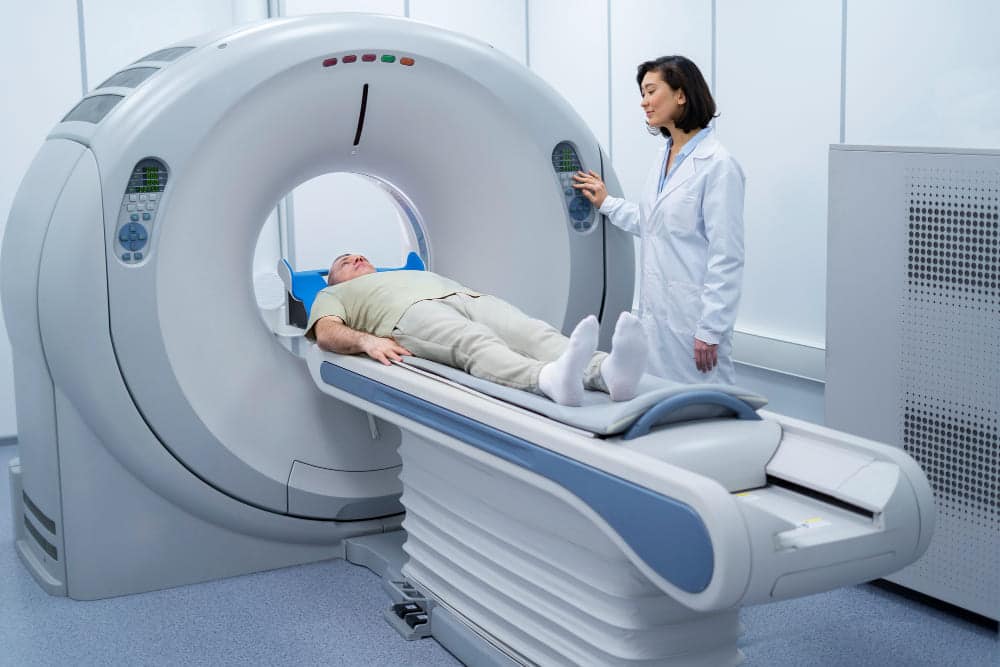
WMA detection through cardiac MRI

How SCG can help detect CAD:

Direct Reflection of Myocardial Dysfunction
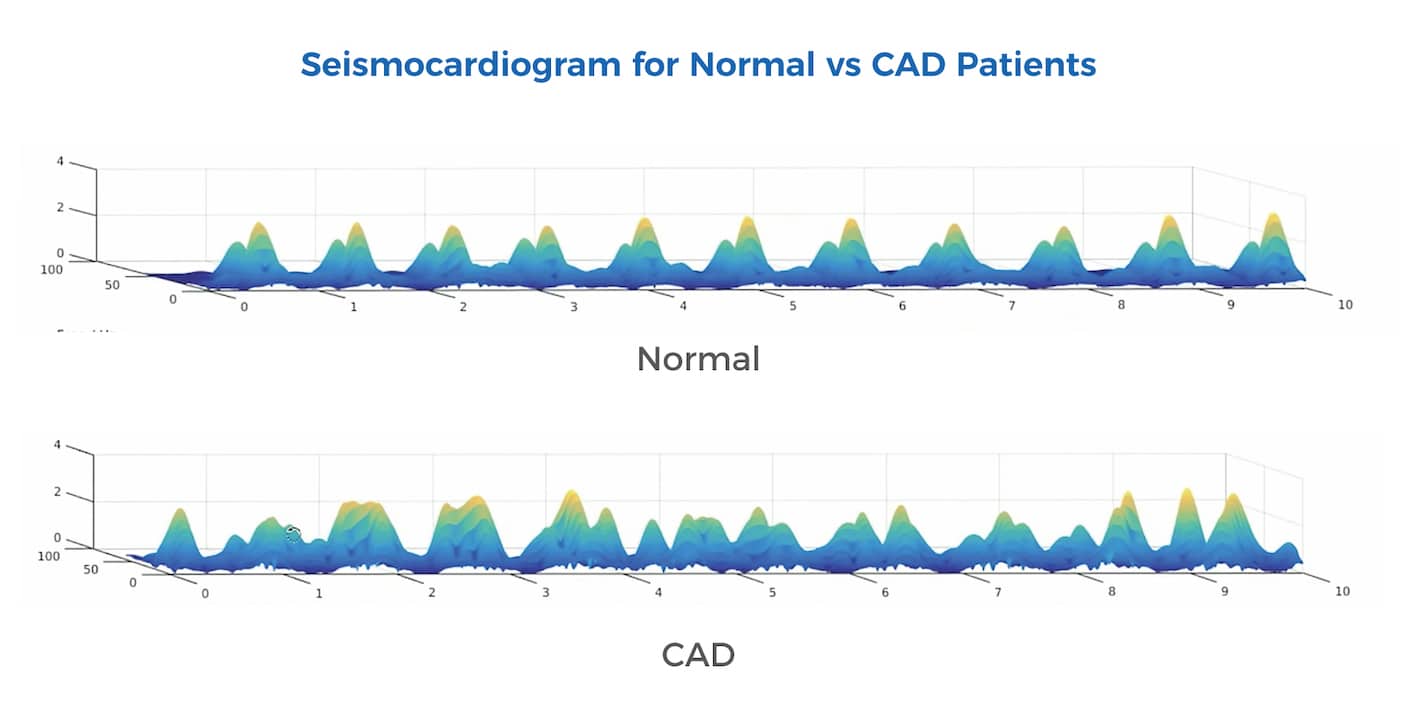
The vibrations recorded by SCG are directly generated by the contraction and relaxation of the heart muscle. If a region of the heart muscle is ischemic and therefore not contracting properly (a wall motion abnormality), this will alter the characteristics of the vibratory signal transmitted to the chest wall.
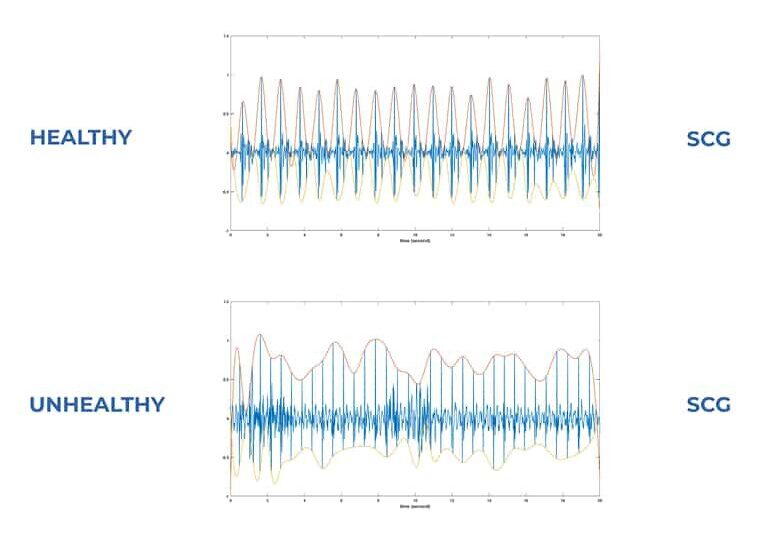
Seismocardiogram for Normal Versus CAD Patients

CAD causes:

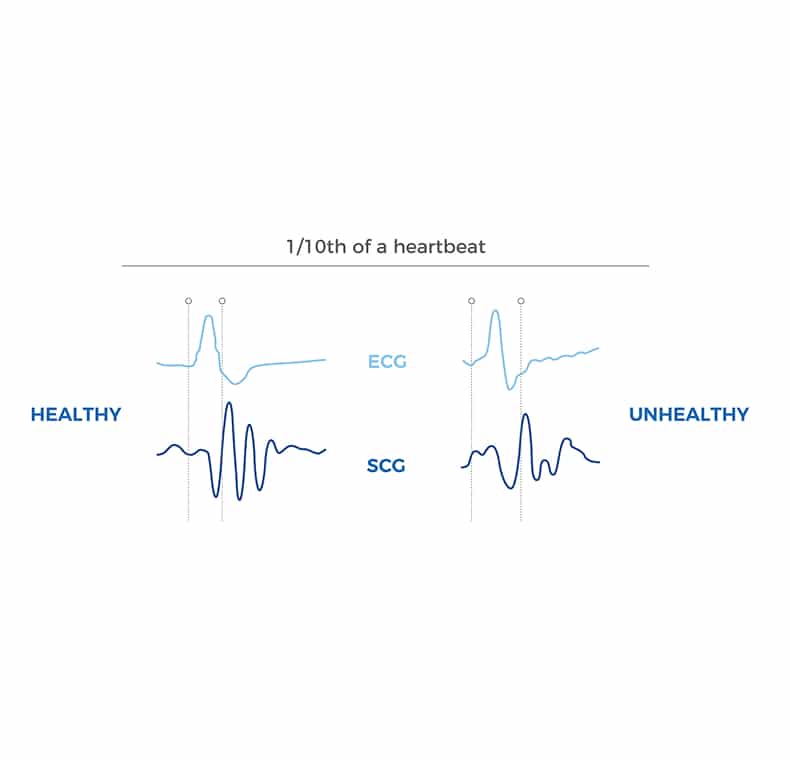
  • Altered Amplitude and Shape of the waveform: an ischemic segment will contribute less to the overall mechanical force of the heart’s contraction. This can lead to subtle but detectable changes in the amplitude and morphology of specific SCG waves.
  • Abnormal cardiac timing intervals (CTIs): ischemia can change certain cardiac timing intervals (CTIs) measured by SCG. For example, it can change the left ventricular ejection time (LVET) that can be captured by the SCG fiducial points.
Healthy vs unhealthy SCG
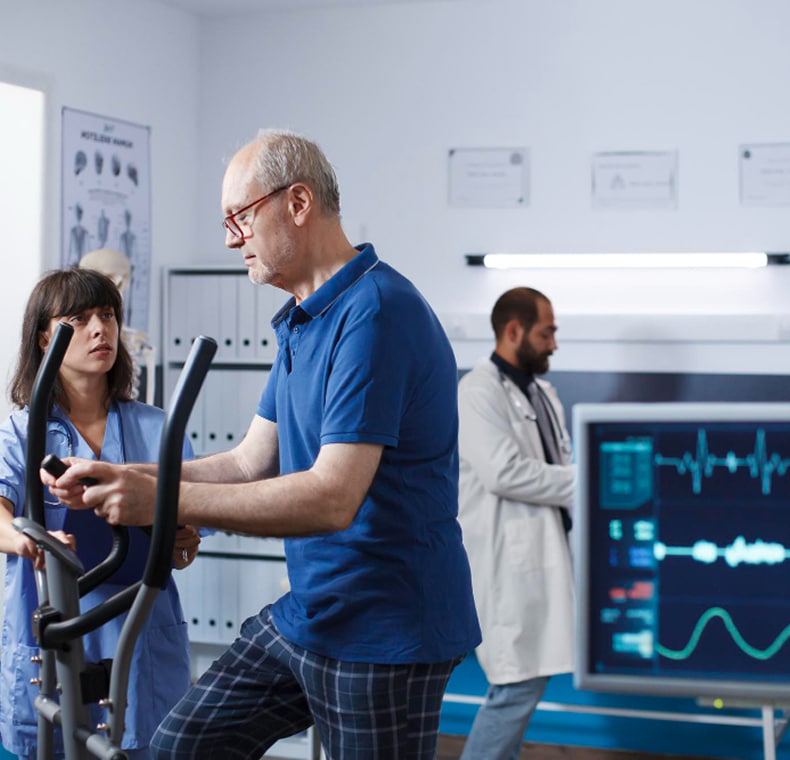
Like stress echocardiography, SCG can be performed during or immediately after physical exertion or pharmacological stress. This is crucial because wall motion abnormalities, and thus the corresponding SCG changes, are often more pronounced or only appear when the heart is under stress and oxygen demand outstrips supply. A new or worsening WMA during stress, detected by SCG, would be highly indicative of underlying CAD.
middle aged man exercising in stress test

SCG’s high sensitivity to mechanical movements allows it to potentially detect even subtle changes in cardiac mechanics that might indicate early-stage ischemia before more overt symptoms or electrical changes appear.

SCG’s high sensitivity to mechanical movements
Seismocardiogram for Normal Versus CAD Patients
Healthy vs unhealthy SCG
middle aged man exercising in stress test
SCG’s high sensitivity to mechanical movements

Discover how our proprietary EMCR Score™ turns SCG Signals into CAD Risk Insight

  1. Zhou Y, Mao H, Yi Z, Chen L, Ma Y, Lei X, et al. A multi-level model for glucose-insulin regulation in humans. Sci Rep. 2018;8(1):13404. doi:10.1038/s41598-018-33675-6. https://www.nature.com/articles/s41598-018-33675-6