
From Signal to Score:
The EMCR Score™ Explained
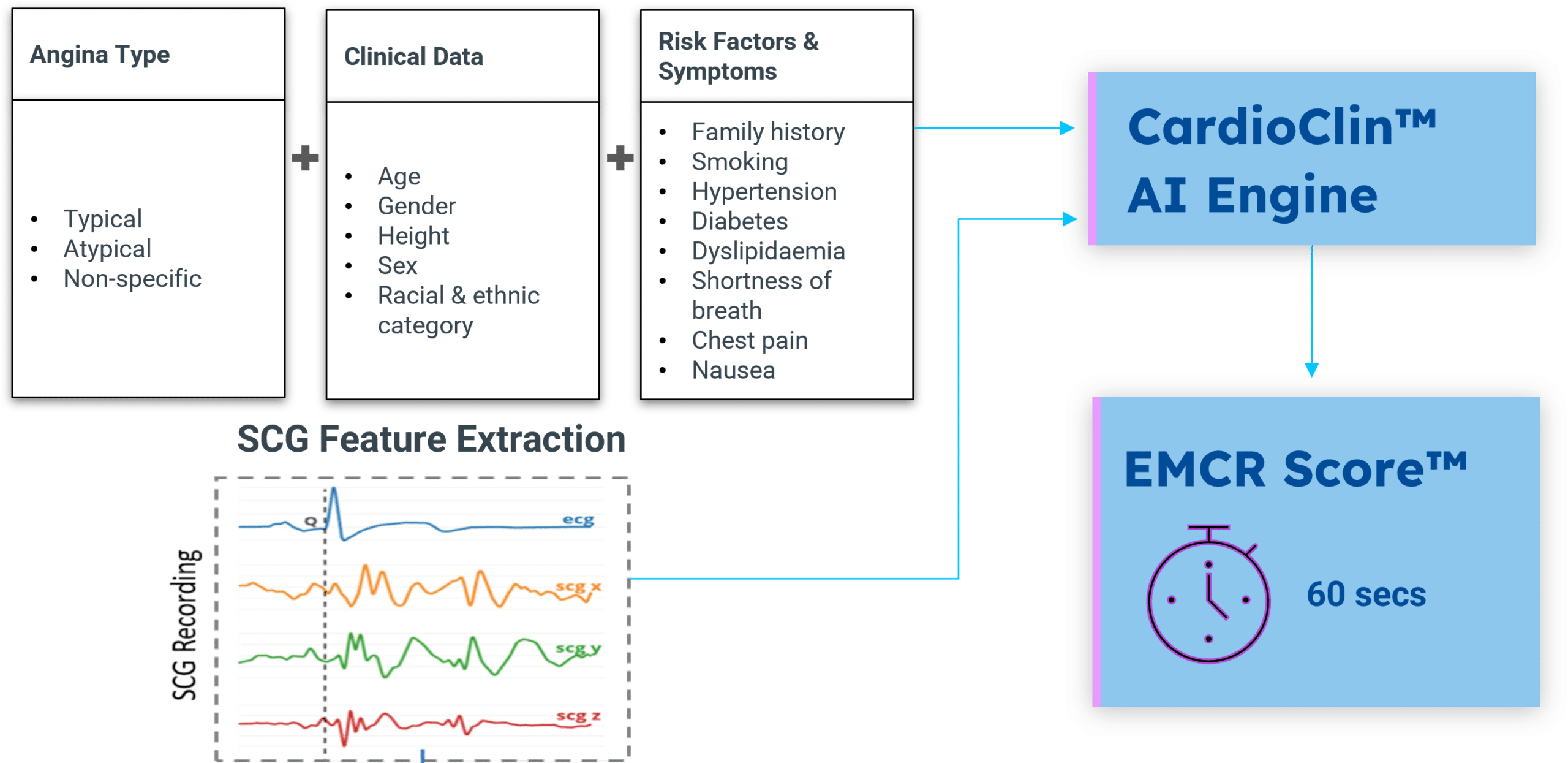
HeartForce’s Electro-mechanical CAD Risk Score (EMCR Score™) is a unique algorithm that transforms SCG signals into a reliable CAD risk assessment. It combines:
- 3D SCG waveform data
- Clinical risk factors (age, sex, hypertension, diabetes, dyslipidemia, smoking, family history)
- Symptoms such as chest pain or shortness of breath
Fast.
Low cost.
Secure data handling.
Clinical Significance of the EMCR Score™
Early Detection
Helps identify patients at risk of CAD, even before symptoms emerge.
Risk Stratification
Supports physicians in determining who should receive further testing, such as CTA or ICA.
High-Risk Screening
Fills a critical gap in current diagnostic workflows by detecting CAD in high-risk patients with multiple CAD-associated risk factors.
What our Risk Categories Mean for Clinical Action
Based on clinical research and the latest recommended guidelines (“2024 ESC guidelines for the management of chronic coronary syndromes”), the EMCR Score™ was divided into five categories to aid clinical interpretation:
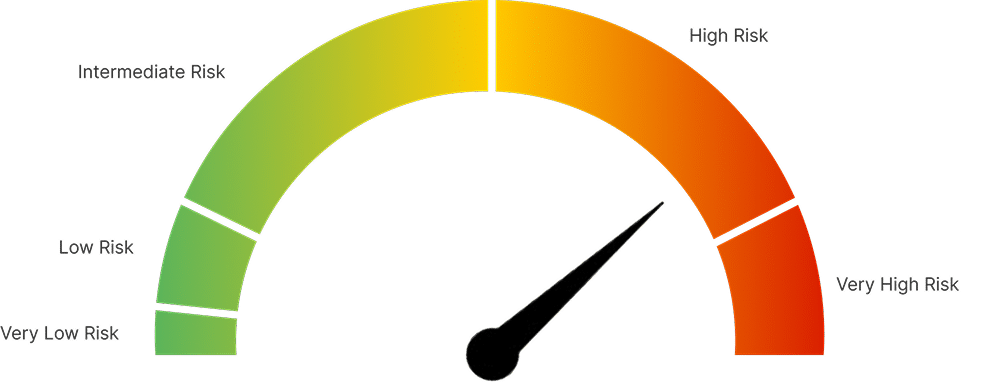
Very Low Risk (EMCR < 0.05):
This range indicates a very low prevalence of significant CAD (less than 5%).
Low Risk (EMCR between 0.05 and 0.15):
This range indicates a low prevalence of significant CAD (between 5% and 15%). For such patients, physicians may reasonably defer further diagnostic testing, while considering the overall clinical context.
Intermediate Risk (EMCR between 0.15 and 0.50):
This range suggests the need for further clinical evaluation through non-invasive measures such as Coronary Computed Tomography Angiography (CCTA) medical imaging. Expected prevalence between (15% and 50%).
High Risk (EMCR between 0.50 and 0.85):
This category indicates a high prevalence of significant CAD (between 50% and 85%). Further clinical measures, such as Invasive Coronary Angiography (ICA) or CCTA medical imaging, are suggested.
Very High Risk (EMCR > 0.85):
This category indicates a high prevalence of significant CAD (greater than 85%). Further clinical measures, such as ICA, are suggested.
How CardioClin™ Works: Quick Setup, Immediate Insights
CardioClin™ is designed for fast, accurate, and non-invasive CAD screening, without disrupting clinical workflow. With just a few simple steps, doctors, nurses, and other healthcare professionals can perform a reliable risk assessment for adults aged 40 and above.This can be done even in places with few resources.
Step-by-Step CardioClin™ Testing Procedure
Before initiating the test, the healthcare professional should first assess the patient’s symptoms, physical condition, and likelihood of acute coronary syndrome (ACS). If ACS is suspected, immediate referral to emergency care is required. If not, proceed with evaluating the risk of chronic coronary artery disease (CAD) using the CardioClin™ test:
1
Enter Patient Profile
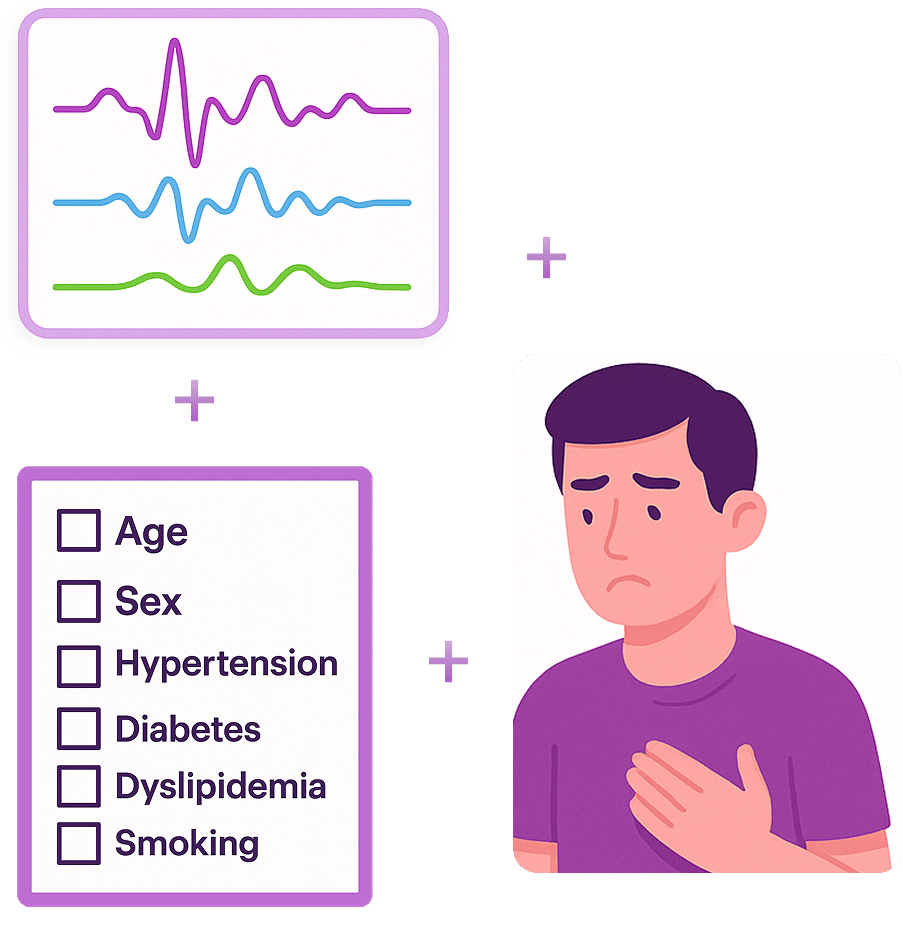
- Open the HeartForce™ application on a connected tablet or mobile device
- Indicate angina type: typical, atypical, or nonspecific
- Complete the symptom-related questions: characterize chest pain and dyspnoea, and identify the primary presenting symptom
- Add core clinical data: age, weight, height, sex, and racial and ethnic category
- Select present risk factors and symptoms: family history, smoking, hypertension, diabetes, dyslipidemia, shortness of breath, chest pain and nausea
2
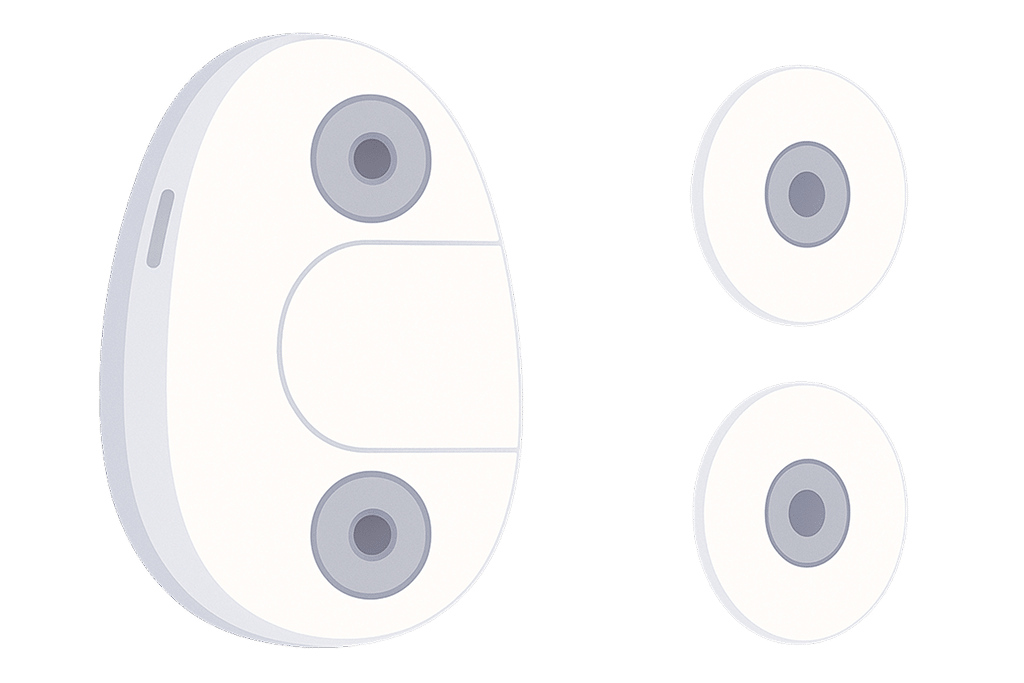
Connect the Sensor
- Attach the ECG patches to the sensor
3

Position the Sensor
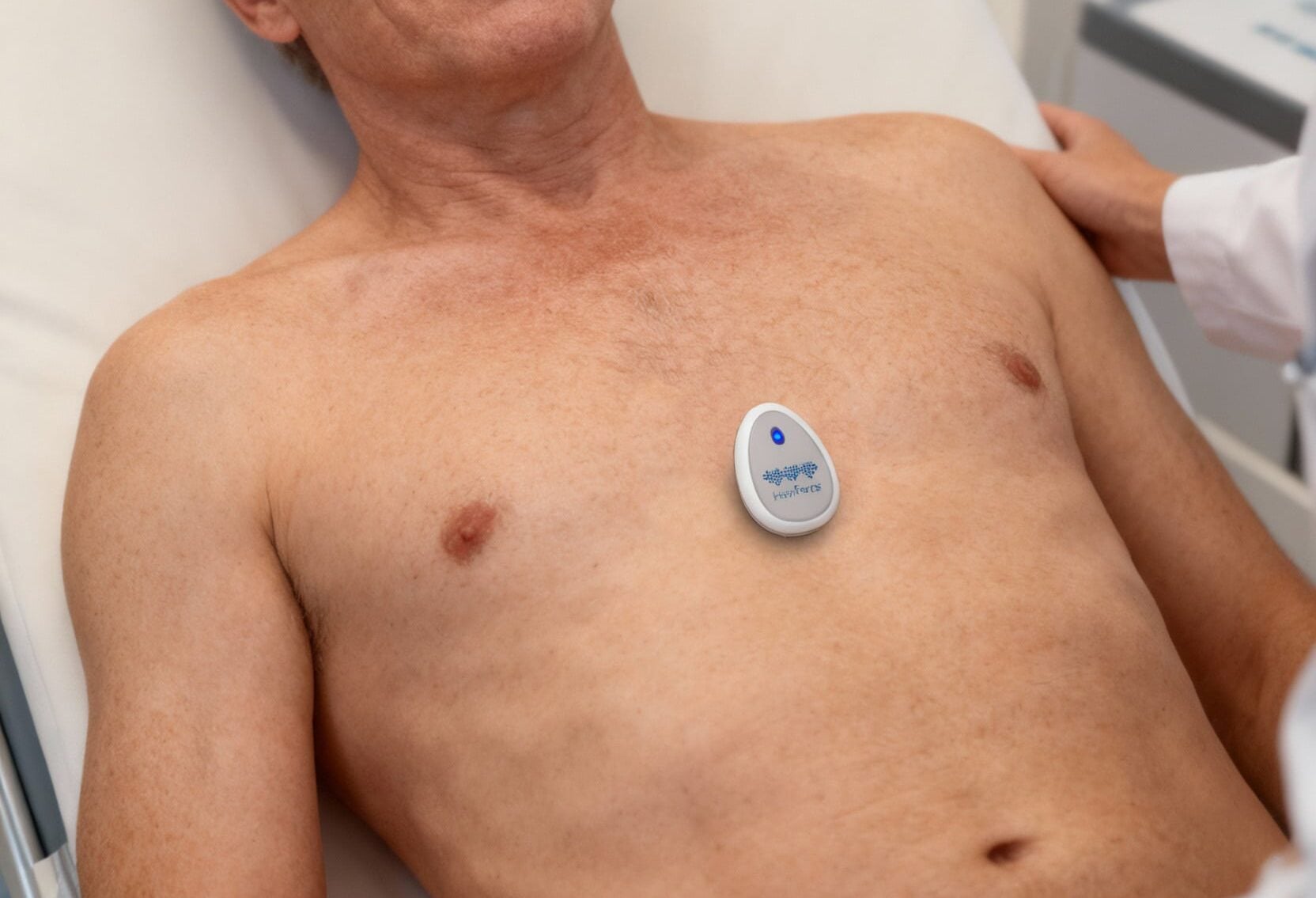
- Ensure the patient is lying flat (supine position) and relaxed
- Place the CardioClin™ sensor over the sternum
4
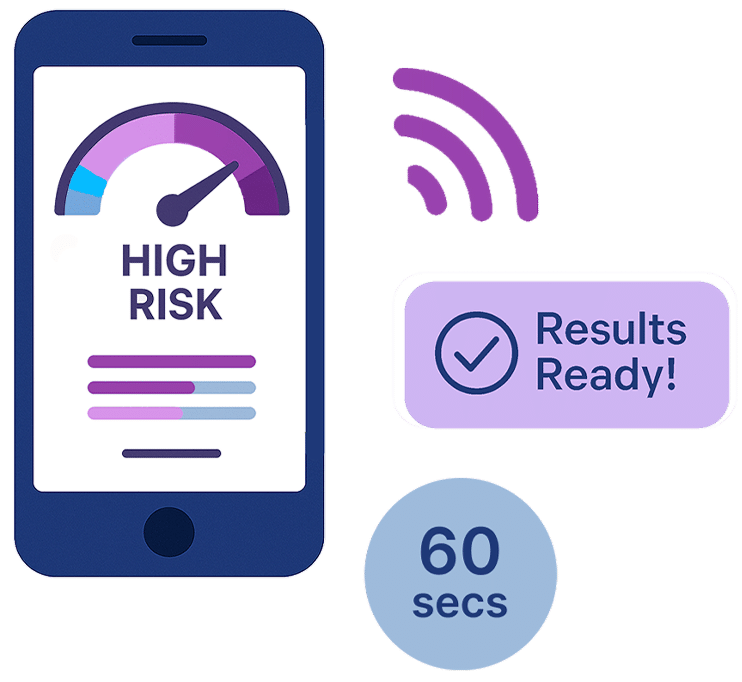
Start the Test
- Establish the connection between the CardioClin™ device and the application
- Start the test to initiate the data acquisition
- The CardioClin™ app integrates patient risk factors, symptoms, and SCG data for analysis by our cloud-based AI algorithm
- Within 60 seconds, a complete Electro-mechanical CAD Risk (EMCR Score™) is generated and the results are available directly in the CardioClin™ application.